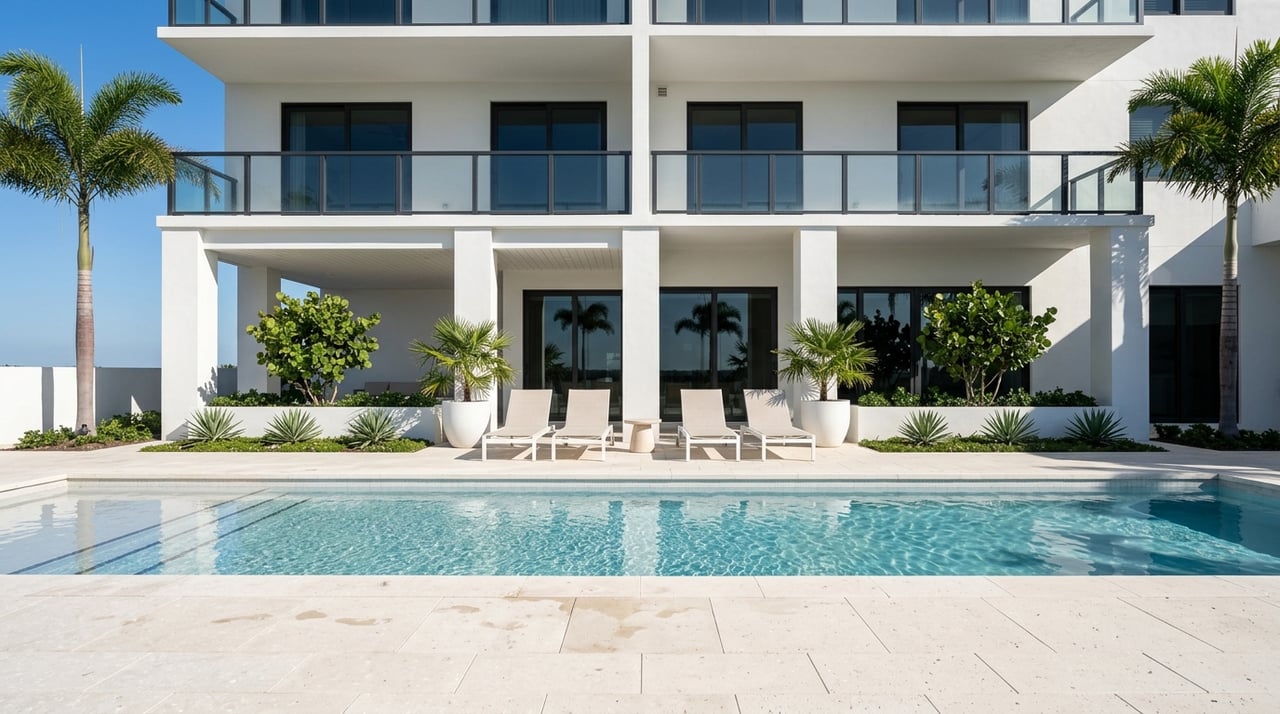
If you are thinking about buying a condo at Vanderbilt Beach, it is easy to get swept up by the views first and the details second. That is completely understandable. Between the beachfront setting, bay views, and North Naples location, this area offers a coastal lifestyle that attracts both second-home buyers and full-time owners. But in a market like Vanderbilt Beach, the smartest purchase usually comes down to more than just the unit itself. You also need to understand the building, the documents, the costs, and the timing. Let’s dive in.
Vanderbilt Beach Condo Market Basics
Vanderbilt Beach is not a one-note condo market. It is a North Naples beach district with about three miles of sand, luxury resorts, and a mix of high-end condo options. In practice, that means you may be comparing direct beachfront buildings with bay-side condo properties, and those can offer very different ownership experiences.
That mix matters when you start narrowing your search. Some condos prioritize direct Gulf frontage and immediate beach access. Others trade that for bay settings, a different view corridor, or in some cases a layout that may feel quieter or more boating-oriented.
From a market standpoint, the broader 34108 zip code finished 2025 with 509 homes for sale, 110 average days on market, 10.0 months of inventory, and sellers receiving 92.7% of list price on average. NABOR also reported that the broader Naples Beach area, which includes 34108, ended 2025 with 1,451 homes for sale, 123 average days on market, and 12.3 months of supply.
For condo-specific context, NABOR’s Naples Beach condo snapshot showed 1,205 homes for sale, 17.1 months of supply, 91 average days on market, and a median closed price of $1.1875 million. In simple terms, buyers in this segment often have options, and that can create room for more careful comparison and negotiation.
Beachfront vs Bay-Side Condos
Beachfront Living
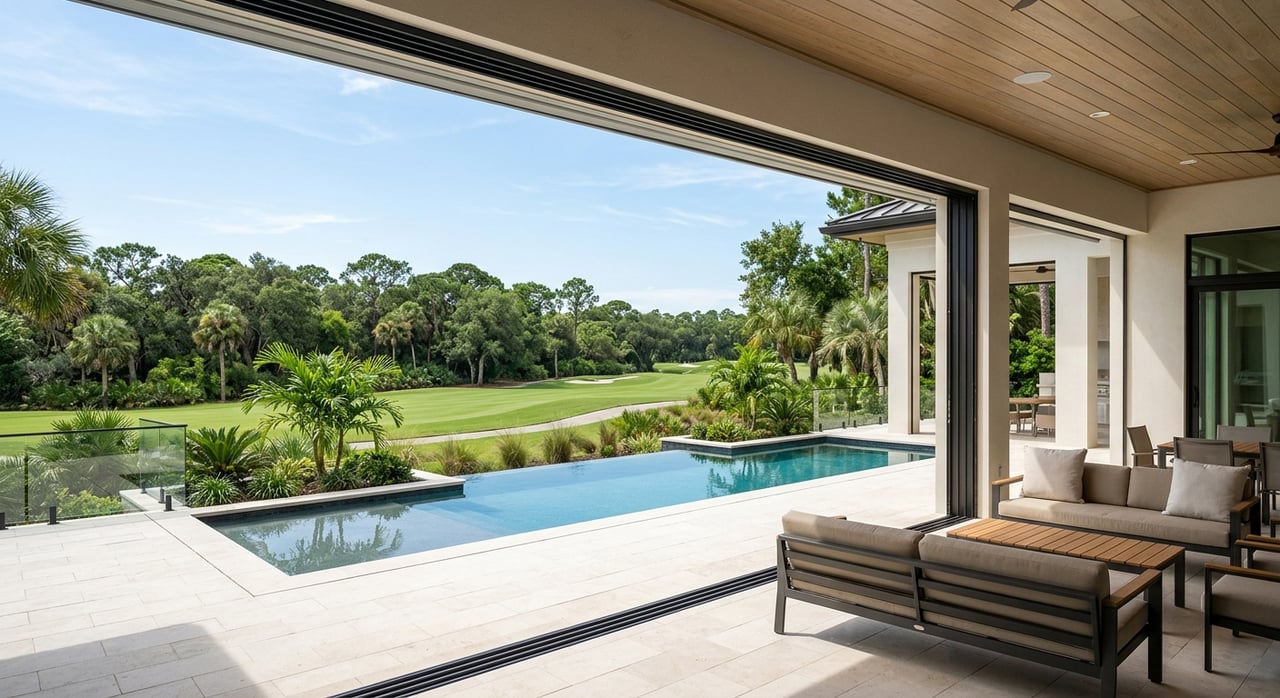
Beachfront condos usually appeal to buyers who want the most direct connection to the Gulf. These buildings often emphasize immediate beach access, strong water views, and easy walkability to the sand. In some cases, the lifestyle feels closer to a resort environment, especially where beach services and on-site amenities are part of the overall ownership experience.
That convenience can come with a premium. In Vanderbilt Beach, view, beach access, and amenity level often move together, though not always perfectly. Two condos that seem close on a map can carry very different pricing and cost structures depending on what the building offers.
Bay-Side and Lagoon-Side Options
Bay-side condos can offer a very different value proposition. Instead of direct beachfront exposure, you may get a different water setting, a more tucked-away feel, or access patterns that appeal to owners who value boating or a quieter layout.
This does not make one option better than the other. It simply means you should decide early what matters most to you. If your priority is stepping onto the sand quickly, beachfront may lead your list. If you care more about balancing water views, ownership costs, and building character, bay-side options may deserve a closer look.
Amenities Can Change the Math
One of the biggest mistakes buyers make is assuming all Vanderbilt Beach condos offer a similar lifestyle. They do not. Amenities can vary widely from one building to the next, and those differences often show up in both purchase price and HOA costs.
At the beach itself, official tourism information notes features like chair and cabana rentals, restrooms, foot showers, and watersports. Some resort-style properties in the area also include features such as heated pools, tennis and pickleball courts, and beachside dining.
That means a Vanderbilt Beach condo could range from a simpler coastal setup to a building with a much more service-oriented, amenity-rich environment. If you are comparing two properties, look beyond square footage and views. Ask what amenities are included, how often you expect to use them, and whether the ongoing cost makes sense for your lifestyle.
Review Condo Documents Carefully
Florida Disclosures Matter
In Florida, condo documents are a major part of the buying decision. Before closing, buyers should receive key materials such as the declaration, association documents, bylaws, budgets, management contracts, applicable leases, and any covenants or restrictions. Depending on the building, you may also receive the latest milestone inspection summary, the most recent structural integrity reserve study, and a turnover inspection report if relevant.
For resale contracts entered after December 31, 2024, Florida law also requires contract disclosures about whether a milestone inspection or structural integrity reserve study is required or has been completed. If the unit is subject to a lease, the contract must disclose that as well and include the lease copy where required.
Rules Are Building Specific
Rental rules and pet rules are not neighborhood-wide standards at Vanderbilt Beach. They are association-specific. Florida law requires a summary of unit-use restrictions, including whether there are restrictions involving pets and children, so buyers should read those limits closely rather than relying on assumptions.
This is especially important if you are buying a second home, planning part-time use, or thinking about rental income. A building’s leasing policy can shape both your flexibility and the condo’s long-term value to you.
A Local Example
Bayshores of Vanderbilt Beach is a useful example of how much rules can vary by building. Its FAQ states that pets are prohibited, leases cannot be shorter than 14 days in Bayshores and 30 days in Gulfshores, and quarterly assessments are $4,900 per Bayshores unit and $5,100 per Gulfshores unit.
The takeaway is simple. Even within the same coastal area, two buildings can have very different ownership costs, rental flexibility, and day-to-day living rules. You want to underwrite the exact building, not just the neighborhood.
Understand Recurring Costs
When you buy a condo at Vanderbilt Beach, the monthly or quarterly fee is only part of the picture. Your true ownership cost may also be affected by reserves, repairs, insurance needs, and any current or future special assessments.
Florida’s structural integrity reserve study rules require associations to identify certain building components, estimate useful life and replacement cost, and create a funding schedule. These studies must account for regular assessments, special assessments, lines of credit, or loans.
For many buyers, this is where due diligence becomes especially important. A condo with a lower advertised fee is not always the lower-cost option if the association is underfunded or facing major upcoming work.
Insurance and Coastal Condo Ownership
Florida guidance says condo unit owners typically need an HO-6 policy. That policy primarily covers personal property and liability, and it must include at least $2,000 in loss-assessment coverage with a deductible of no more than $250.
It is also important to know that flood damage is not covered by standard homeowners insurance. Separate flood insurance is required for that risk. If you are financing the purchase, your lender will commonly require insurance coverage and may require flood coverage in special flood zones.
For a coastal condo buyer, insurance should be part of the early budgeting conversation, not something you leave until the last minute. It affects your monthly carrying cost and your overall comfort with the purchase.
Older Buildings Need Extra Due Diligence
Milestone Inspections
For older coastal towers, milestone inspections are a key part of the review process. Florida law requires milestone inspections for condo or co-op buildings that are three habitable stories or higher at 30 years of age. Local enforcement can require the first inspection at 25 years where salt-water proximity justifies it.
The purpose of a milestone inspection is structural safety. It is not a full code-compliance audit. If substantial structural deterioration is found, the law requires a phase-two inspection.
Reserve Studies and Assessments
Associations controlled by unit owners and existing before July 1, 2022 were generally required to complete structural integrity reserve studies by December 31, 2025, unless milestone-inspection timing extends that deadline to no later than December 31, 2026. For buyers, this matters because reserve planning and inspection results can directly affect future costs.
Before you move forward on a condo, review the latest budget, reserve plan, any pending or adopted special assessments, the milestone inspection summary, and the reserve study. In a coastal condo purchase, these items often matter more than they would in an inland single-family home.
Seasonality Can Affect Your Leverage
Timing matters in Vanderbilt Beach. NABOR’s March 2025 report described the Naples area as a buyer’s market, with overall inventory up 36.1% year over year and condo median price down 7.1% year over year. The report also noted that sellers were under pressure to reduce prices before season ended.
That pattern lines up with what many buyers experience on the ground. When inventory rises, you usually have more condos to compare and more leverage to ask tough questions about reserves, inspections, and assessments. When seasonal demand tightens and choices shrink, sellers may offer fewer concessions.
At the 34108 zip code level, the market finished 2025 with 10.0 months of inventory and sellers receiving 92.7% of list price on average. For buyers, that suggests negotiating room may exist, especially when you are looking at buildings with more competition or more due diligence questions to sort through.
A Smart Vanderbilt Beach Buying Checklist
If you want to buy with confidence, keep your review focused on the building as much as the unit. A practical checklist includes:
- The latest condo budget
- The reserve plan or structural integrity reserve study
- Any pending or approved special assessments
- The milestone inspection summary, if applicable
- Lease restrictions, including minimum rental terms and approval rules
- Pet rules for the exact association
- Expected insurance needs, including HO-6 and possible flood coverage
- Amenity details and how they affect recurring costs
- Recent market conditions and current negotiating leverage
That process may not be as exciting as touring balconies and watching sunsets, but it is often what protects your investment and helps you avoid surprises after closing.
If you are weighing beachfront versus bay-side options, comparing buildings with very different rules, or trying to understand where current pricing gives you leverage, local guidance can make the process much clearer. When you are ready to talk through your options at Vanderbilt Beach, connect with Matt Bianchini.
FAQs
What should you review before buying a condo at Vanderbilt Beach?
- You should review the condo budget, reserve study, milestone inspection summary if applicable, any special assessments, lease rules, pet rules, and expected insurance requirements for the specific building.
Are rental rules the same for all Vanderbilt Beach condos?
- No. Rental rules are set by each condo association, so minimum lease terms, approval requirements, and rental flexibility can vary significantly from one building to another.
Do Vanderbilt Beach condo buyers need flood insurance?
- Flood damage is not covered by standard homeowners insurance, and separate flood insurance is required for that risk. If you are financing the purchase, your lender may require flood coverage in special flood zones.
How does seasonality affect buying a condo at Vanderbilt Beach?
- When inventory is higher, you may have more choices and more negotiating room on price, repairs, or other terms. When the market tightens during stronger demand periods, condos may sell faster with fewer concessions.
Why do older Vanderbilt Beach condo buildings need extra due diligence?
- Older coastal buildings may be subject to milestone inspections and structural integrity reserve study requirements, and those findings can affect reserves, repairs, and future ownership costs.